
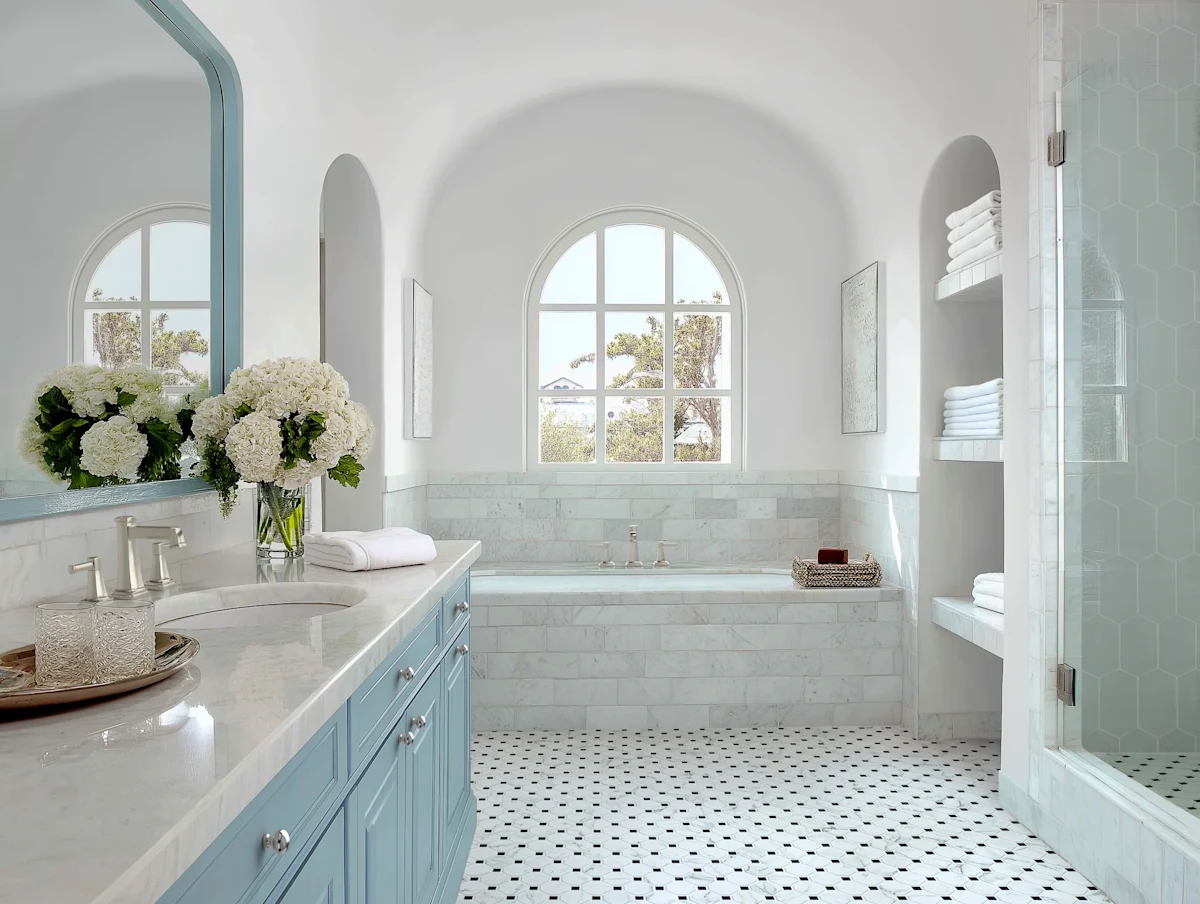
A bathroom remodel can make your home more comfortable, improve everyday functionality, and give an outdated space a fresh, modern appearance. Whether you want to replace old fixtures, improve storage, upgrade flooring, or completely redesign your bathroom, careful planning can make the entire process easier.
Before construction begins, it is important to understand your priorities, establish a realistic budget, and choose materials that fit your lifestyle. A well-planned renovation balances appearance, durability, and practical use.
If you are considering bathroom remodeling in Atlanta or the surrounding Georgia communities, these steps can help you prepare for a successful project.
1. Identify What You Want to Improve
Start by evaluating your current bathroom. Think about what works well, what causes frustration, and what you would like to change.
For example, an outdated bathroom may have limited storage, poor lighting, worn flooring, or an inefficient layout. A growing family may need additional storage and more practical fixtures, while homeowners planning a modern upgrade may prefer a spacious walk-in shower and contemporary finishes.
Create a list of essential improvements and optional upgrades. This helps you focus on the features that matter most and makes it easier to communicate your vision to a remodeling contractor.
Peach Remodeling offers professional bathroom remodeling services designed around homeowners’ needs, preferences, and available space.
2. Set a Realistic Bathroom Remodeling Budget
Your budget influences nearly every decision, from the materials you select to the amount of construction involved. Establishing a spending range early can help you avoid unnecessary expenses and prioritize important improvements.
Common bathroom renovation expenses include:
- Demolition and removal of old materials
- Plumbing and electrical modifications
- Flooring and tile installation
- Cabinets, vanities, and countertops
- Toilets, sinks, showers, and bathtubs
- Lighting, ventilation, and finishing details
The final cost depends on the bathroom’s size, material quality, existing conditions, and project complexity. Moving plumbing fixtures or changing the layout may require more work than replacing finishes in their existing locations.
It is also sensible to reserve part of your budget for unexpected issues, such as hidden water damage or repairs discovered after demolition. Ask your contractor for a detailed estimate so you understand the proposed work and expected costs before construction begins.
3. Choose a Layout That Makes Everyday Life Easier
A beautiful bathroom should also be comfortable and easy to use. Before selecting decorative finishes, consider how people move through the room and use its fixtures.
In a smaller bathroom, a wall-mounted vanity, recessed storage, or a glass shower enclosure may help create a more open feeling. In a larger bathroom, a double vanity or separate shower and bathtub may improve convenience.
Consider the following factors when reviewing your layout:
- Space needed to open doors and cabinets
- Convenient access to the shower, toilet, and sink
- Storage for towels and everyday toiletries
- Adequate lighting around mirrors and vanities
- Practical placement of plumbing fixtures
Whenever possible, evaluate whether the existing layout can meet your needs before committing to major structural or plumbing changes. A thoughtful design can improve functionality without adding unnecessary complexity.
4. Select Durable Materials and Finishes
Bathrooms experience regular moisture, temperature changes, and frequent cleaning. Choosing suitable materials is therefore just as important as selecting an attractive design.
Porcelain or ceramic tiles are popular options for bathroom floors and walls because they come in a wide variety of styles. The flooring material should also provide appropriate slip resistance for wet areas. Water-resistant cabinetry, durable countertops, and quality fixtures can contribute to a bathroom that remains attractive with regular use.
For a cohesive appearance, choose a consistent color palette and coordinate your tile, vanity, lighting, and hardware. Neutral colors can create a timeless foundation, while decorative accents can add personality.
Peach Remodeling also provides professional flooring installation, helping property owners select and install flooring suited to their design preferences and practical requirements.
5. Do Not Overlook Lighting and Ventilation
Lighting and ventilation are sometimes treated as finishing details, but they play an important role in bathroom comfort.
A combination of general lighting and well-positioned vanity lighting can make daily routines easier. Proper lighting around mirrors is especially useful for grooming and personal care.
Ventilation is equally important because showers and baths produce moisture. Excess humidity can contribute to condensation, peeling paint, and mold growth when moisture is not managed effectively.
Make sure the renovation plan addresses appropriate ventilation, moisture-resistant finishes, and any necessary electrical upgrades. Have electrical and ventilation work completed by qualified professionals in accordance with applicable building requirements.
6. Understand the Remodeling Process
Knowing what to expect during construction helps you prepare your household and reduce avoidable disruptions.
A typical bathroom remodeling project may involve consultation, design and material selection, demolition, plumbing or electrical work, surface preparation, installation, and final finishing.
The exact sequence depends on the project’s scope. For example, replacing a vanity and flooring may involve less work than converting a bathtub into a walk-in shower or changing the bathroom’s layout.
Before work starts, discuss the schedule, material availability, access to the work area, and how the contractor will communicate updates. If the bathroom is your home’s only full bathroom, make a temporary-use plan for the construction period.
Working with an experienced remodeling team can help coordinate the different stages and keep the project organized.
7. Choose a Remodeling Contractor Carefully
The right contractor can help turn your ideas into a practical renovation plan. Before making a decision, ask about relevant experience, project timelines, estimates, communication, and the scope of work included in the proposal.
You should also confirm applicable licensing and insurance requirements, understand payment terms, and request clarification about warranties or workmanship guarantees.
A clear written agreement helps both parties understand expectations and reduces the likelihood of misunderstandings during construction.
Peach Remodeling serves homeowners and businesses throughout Metro Atlanta and surrounding Georgia communities. Its services include bathroom renovations, kitchen remodeling, basement remodeling, flooring, and broader construction projects.
Transform Your Bathroom With Peach Remodeling
Planning a bathroom renovation involves more than choosing attractive tiles and fixtures. A successful project begins with clear priorities, a realistic budget, a functional layout, and materials selected for long-term use.
By considering these details before construction begins, you can make more confident decisions and create a bathroom that better suits your home and daily routine.
If you are ready to update your bathroom, visit Peach Remodeling to explore its remodeling services and request a free project consultation. With thoughtful planning and professional craftsmanship, your outdated bathroom can become a more comfortable, practical, and inviting space.